Why We Started Material Truths in 2026
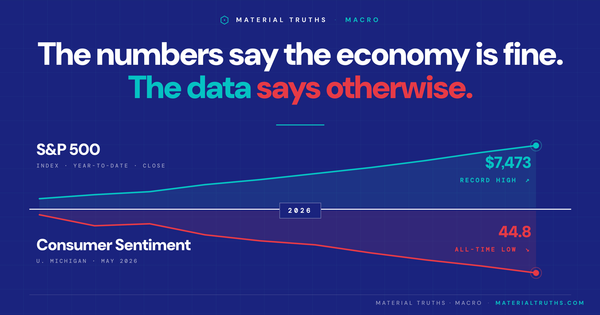
The consumer information ecosystem didn't just break gradually. In 2026, six forces converged at once, and nobody was building what came next.

Six trends collided in 2026. Each one alone would be a problem. Together, they've created what we believe is the widest consumer trust gap in modern history, and the reason Material Truths exists.
1. AI Content Broke the Information Ecosystem
2026 is the first year where AI-generated content about consumer products likely outnumbers human-created content. That's not a projection. It's the reality when you look at what's flooding Amazon listings, Google search results, YouTube, and social media.
AI-generated reviews are now indistinguishable from genuine ones. AI-written "buying guides" rank on Google with 10,000-word articles produced by systems that have never touched the products they recommend. AI-powered virtual influencers promote products with no human testing whatsoever. And deepfake testimonials (real-looking people endorsing products they've never used) are becoming increasingly common on social platforms.
Consumers used to be able to spot fake reviews. The grammar was off, the details were vague, the patterns were obvious. AI eliminated those tells. When everything reads like it was written by a competent human, the old heuristics for detecting fakes stop working.
When everything could be fake, credible investigation becomes the only currency that matters.
2. The Influencer Economy Reached Peak Cynicism
Every creator is monetized now. That's not an exaggeration. It's the structural reality of the creator economy in 2026.
The "honest reviewer" you trust has affiliate links, brand deals, and sponsored content calendars. Even creators with 5,000-10,000 followers are embedded in paid promotion pipelines. Disclosure requirements exist, but #ad and #sponsored are buried in caption hashtags or spoken at triple speed in videos. Audiences have developed disclosure fatigue. They see the labels, they process nothing.
The "de-influencing" trend was supposed to be the correction. Instead, it became another engagement tactic: "products I don't recommend" followed immediately by "but here's what I DO recommend" (with an affiliate link). The antibody became the virus.
The result: there's no such thing as an unbiased product recommendation from an individual creator anymore. Personal brand and monetization engine have become the same thing.
Individual credibility is structurally compromised. Institutional independence is the only trust signal that still means something.
3. Regulatory Bodies Are Completely Overwhelmed
The agencies that are supposed to protect consumers from false advertising are years behind the brands they regulate.
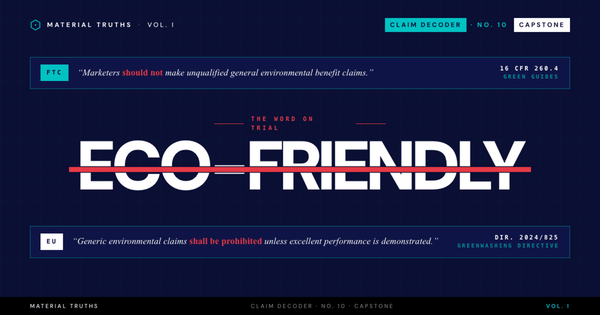
The FTC is understaffed, underfunded, and reactive rather than proactive. It issues penalties months or years after campaigns have already run their course. The fines it does levy are rounding errors for well-funded brands, a cost of doing business, not a deterrent.
The EPA can't keep up with antimicrobial claim violations under FIFRA. Thousands of products make public health claims about antibacterial or antimicrobial properties without proper registration. The agency investigates a handful per year. The FDA faces a similar flood with supplements, cosmetics, and wellness devices making medical claims under the cover of "enforcement discretion."
And platform enforcement (Amazon, TikTok, Shopify) is automated, slow, and easily gamed. Report a fake review and nothing happens. Flag a false claim and the algorithm moves on.
False advertising is, functionally, decriminalized. The expected return on misleading consumers is positive. Brands make millions before facing consequences, and often without ever facing them at all.
Nobody is coming to save consumers. The cavalry isn't on the way.
4. The Scam Economy Scaled
The barrier to launching a "brand" in 2026 has collapsed to near zero.
Anyone can create a Shopify store in 48 hours with AI-generated product images, AI-written marketing copy, manufactured reviews, and a trademarked brand name that sounds premium. Drop-shipping means you never need to see, touch, or test the product you're selling. TikTok Shop has created a direct pipeline from factory floor to consumer with algorithmic amplification, manufactured urgency ("Only 3 left!"), and minimal quality control.
This isn't the old scam economy of obvious counterfeits and broken English. This is polished, branded, and indistinguishable from legitimate commerce. A consumer looking at a well-designed Shopify store with professional photography, a "science" page, and 500 positive reviews has no way to tell whether the brand has existed for 10 years or 10 days.
Consumer exhaustion is the outcome. It's not just that scams exist. It's that they've become frictionless and ubiquitous. You can't avoid them. You can't spot them all. You can't research your way out because the research itself is compromised.
5. Traditional Review Infrastructure Collapsed
The institutions consumers used to rely on have either lost their independence, their relevance, or both.
Wirecutter was acquired by the New York Times and is now widely perceived as an NYT revenue stream rather than an independent recommendation engine. Consumer Reports charges $40/year, publishes slowly, and has virtually no presence on the platforms where most consumers actually discover products. The Better Business Bureau operates what many view as a pay-to-play accreditation model. Trustpilot is routinely flooded by reputation management firms hired to bury negative reviews under fake positive ones. And Amazon's "Verified Purchase" badge, once a meaningful trust signal, has been systematically compromised by review farms and rebate clubs.
The old institutions failed. Nothing replaced them. There's a trust vacuum in consumer product information, and it's been growing for years.
6. Consumer Awareness Hit a Tipping Point
Here's the reason all of this matters right now: consumers know. They're not oblivious. They're overwhelmed.
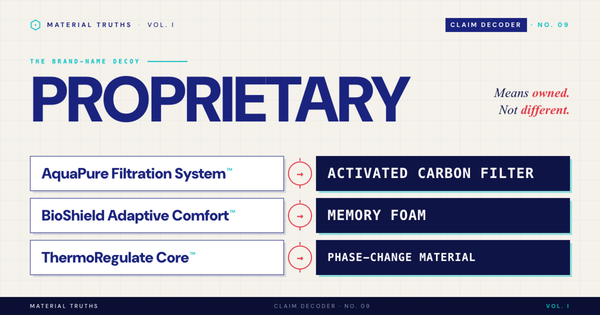
Reddit's "IsItBullshit" threads are growing rapidly. "Buy It For Life" communities keep expanding because quality-conscious consumers can't find reliable guidance. Skepticism of influencers has gone mainstream. "Of course they're paid to say that" is common knowledge, not a revelation. Economic pressure means overpaying for a $149 "proprietary" comforter that turns out to be a $30 nylon blanket doesn't just feel bad. It hurts.
Consumers aren't just tired. They're activated. They want to fight back. They're looking for a signal in the noise, someone who's actually on their side, with evidence to back it up.
The Convergence
These six trends don't just coexist. They compound. AI content makes investigation more valuable. Influencer cynicism makes institutional independence more rare. Regulatory failure means third-party watchdogs aren't optional. They're essential. Review infrastructure collapse means the field is wide open. And consumer awareness means the audience is actively looking for what we're building.
The supply of trustworthy product information is at a historic low. The demand is at a historic high. The competition is effectively nonexistent.
That's why we built Material Truths in 2026. Not because we wanted to. Because the moment demanded it.
Material Truths is an independent consumer investigation platform. We fact-check product claims with evidence, primary sources, and public records. learn about our methodology →